
I work on robustness, security, and trustworthy AI, with a focus on understanding how AI systems behave beyond controlled settings and how their vulnerabilities emerge across models, modalities, and deployment conditions. My research spans machine learning, computer vision, multimodal AI, robotics, and computer systems, with work published at top-tier venues including ICLR, CVPR, ICCV, ECCV, IROS, ASPLOS, DAC, and DATE. A recurring theme in my research is understanding what carries across AI systems—in gradients, representations, semantics, or computational structure—and how these shared properties can make models both effective and vulnerable. I study these questions across adversarial transferability, physical-world attacks, quantized and approximate models, and, more recently, vision-language and multimodal systems. Rather than treating these as separate problems, I approach them through a common lens: understanding what transfers across models, representations, and deployment settings, and how it can be leveraged or disrupted to build more robust systems.
My research includes:
- Adversarial Transferability — understanding why adversarial examples transfer across architectures and how shared representations, gradients, and semantics influence transfer.
- Robust & Efficient AI — designing defenses that remain effective under quantization, approximate computing, and hardware/deployment constraints.
- Physical-World AI Security — studying attacks and defenses under real-world transformations such as viewpoint, deformation, distance, and environmental variation.
- Multimodal & VLM Security — investigating hallucination, adversarial manipulation, jailbreaking, and cross-modal inconsistencies in vision-language models.
More broadly, my goal is to uncover the computational principles that govern robustness and failure in modern AI systems, and use these insights to build AI that is reliable, interpretable, and robust under real-world conditions.
20+ Publications · 590+ Citations · h-index 13 · 10+ Researchers Mentored
🔥 News
- 2026.07: I’ve received an Outstanding Reviewer Award from ECCV 2026
- 2026.07: My paper had been selected for an ECCV 2026 Oral Presentation
- 2026.06: 🎉 1 paper accepted at ECCV 2026
- 2026.05: I’ve received a Silver Reviewer Award from ICML 2026
- 2026.01: 🎉 2 papers accepted at ICLR 2026
- 2025.11: 🎉 1 paper accepted at DATE 2026
- 2025.10: I’ve been selected as Top Reviewer at NeurIPS 2025
- 2025.06: 🎉 1 paper accepted at ICCV 2025
- 2024.06: 🎉 1 paper accepted at IROS 2024
- 2024.06: 🎉 3 papers accepted at ICIP 2024
- 2024.02: 🎉 1 paper accepted at CVPR 2024
- 2024.02: 🎉 1 paper accepted at DAC 2024
Selected Research Projects
Below are representative research projects spanning adversarial machine learning, robustness, and secure AI systems.
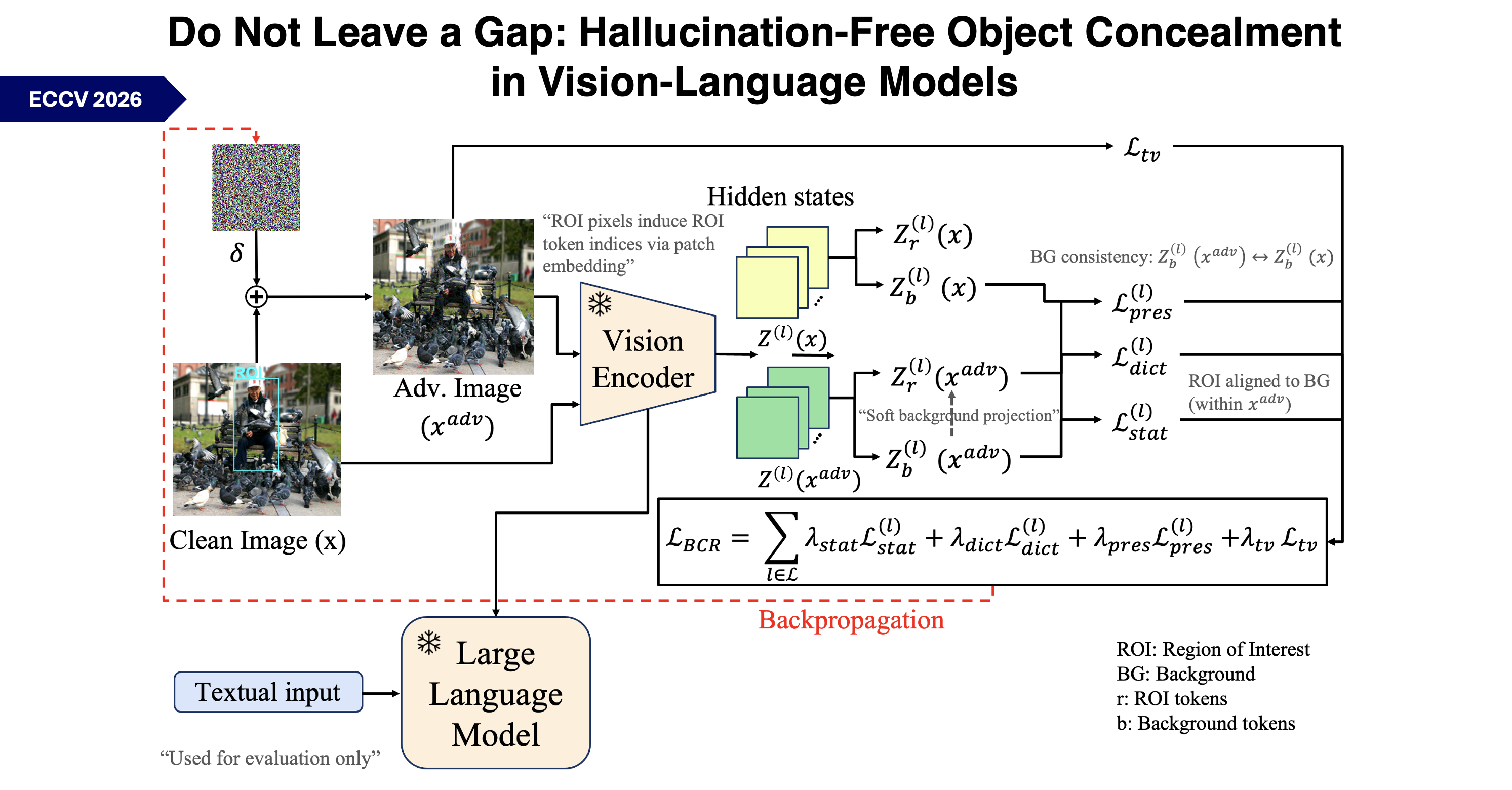
Authors: Amira Guesmi, Muhammad Shafique
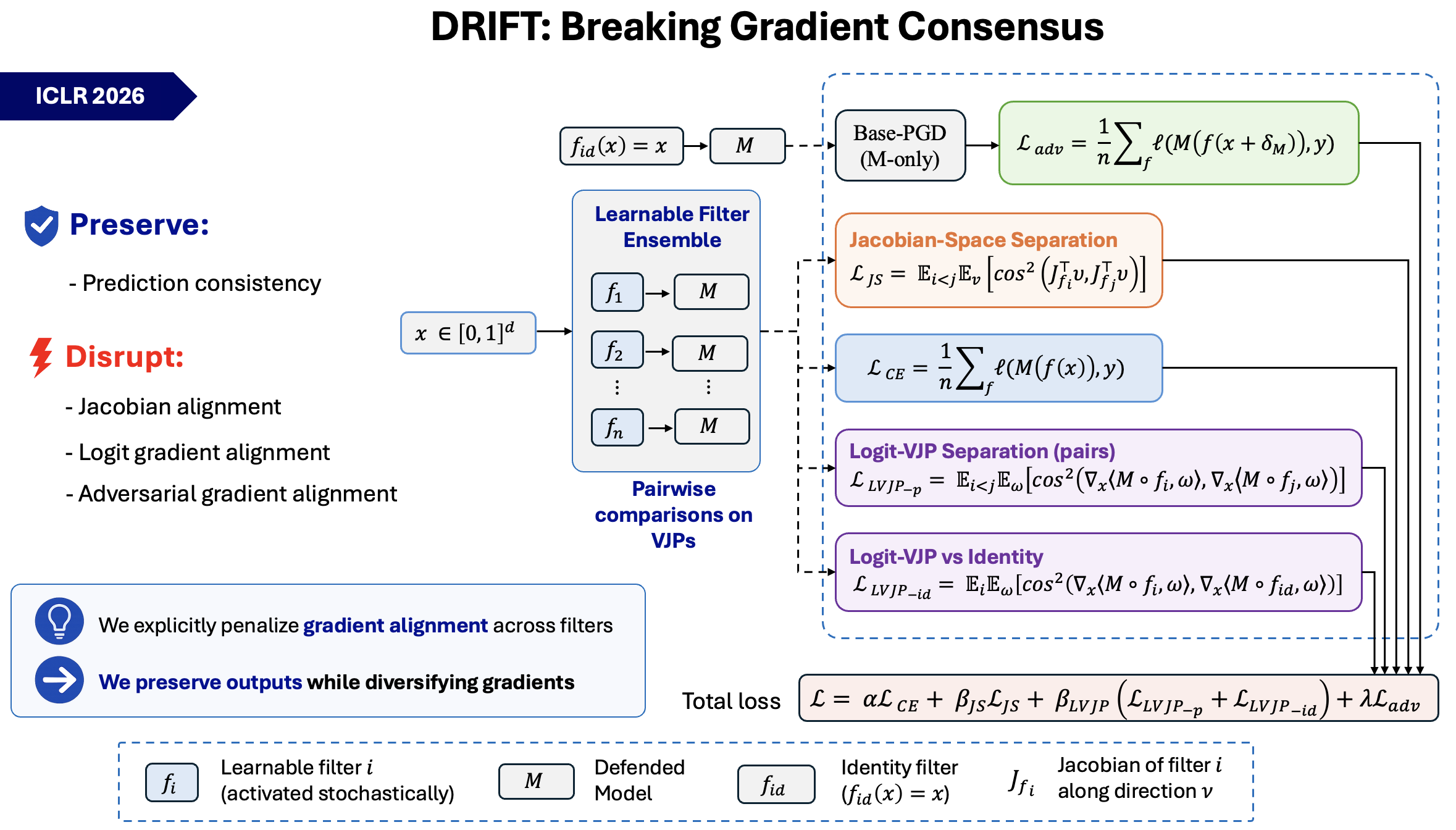
Authors: Amira Guesmi, Muhammad Shafique
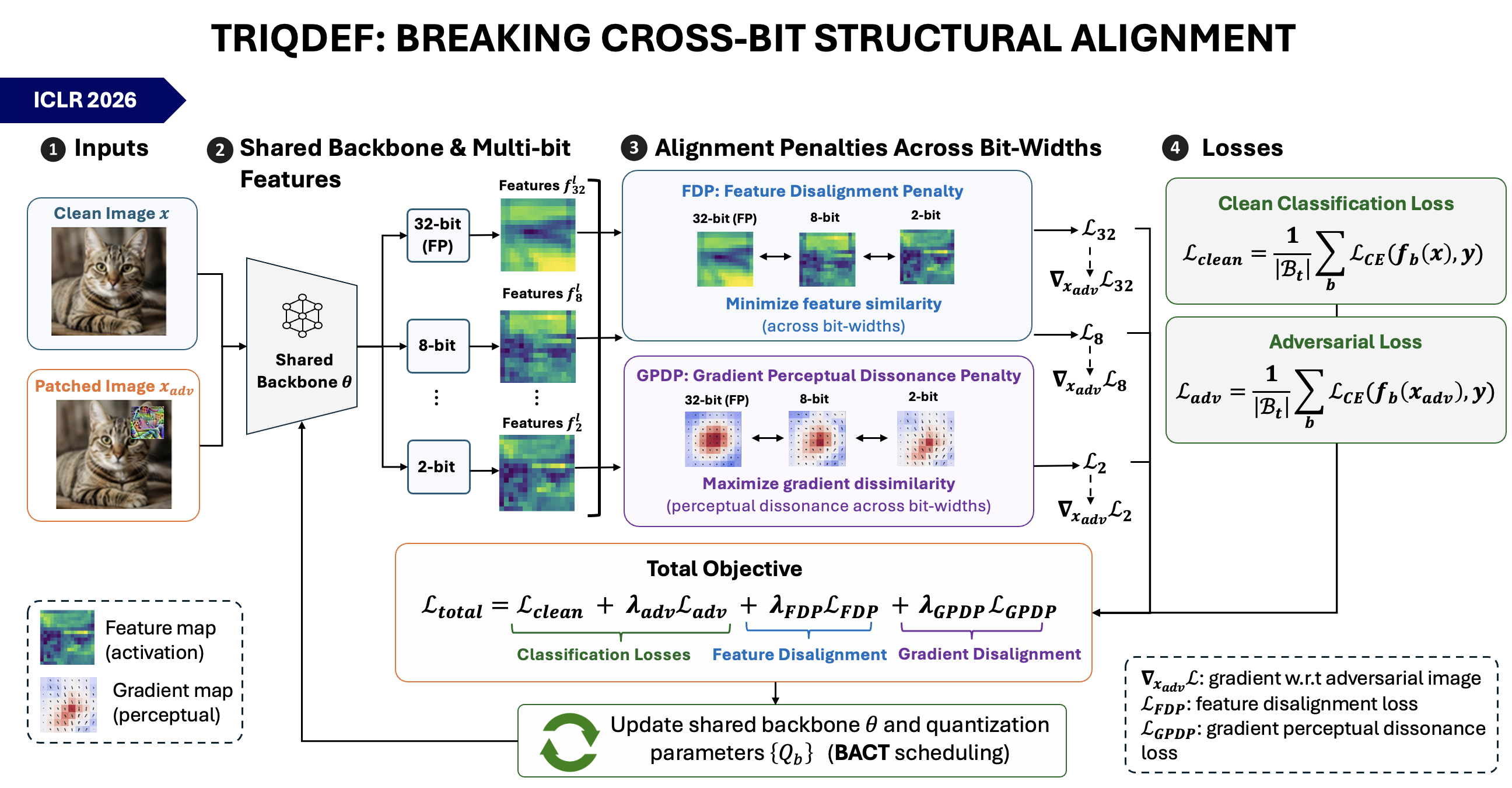
Authors: Amira Guesmi, Bassem Ouni, Muhammad Shafique
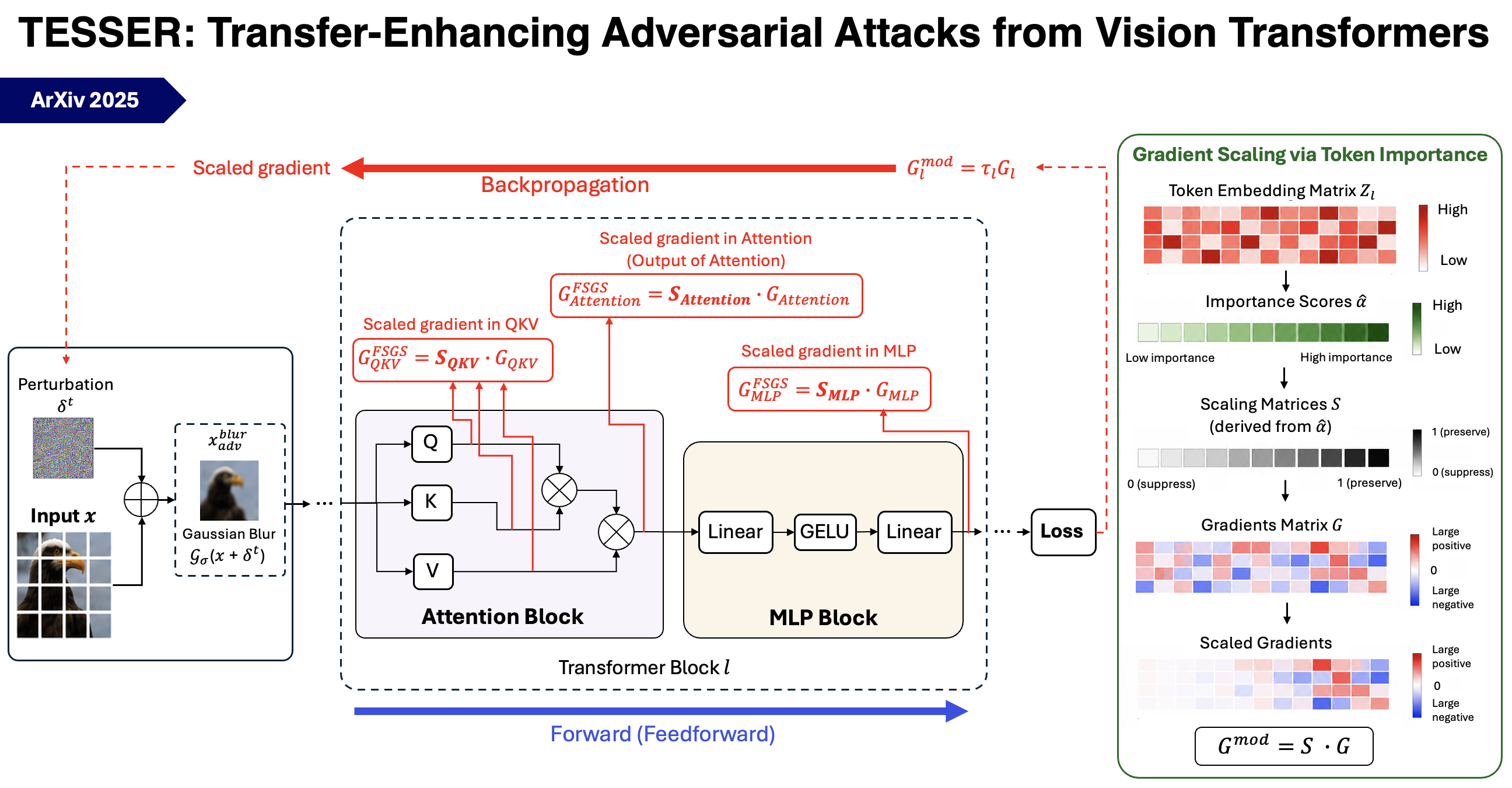
Authors: Amira Guesmi, Bassem Ouni, Muhammad Shafique
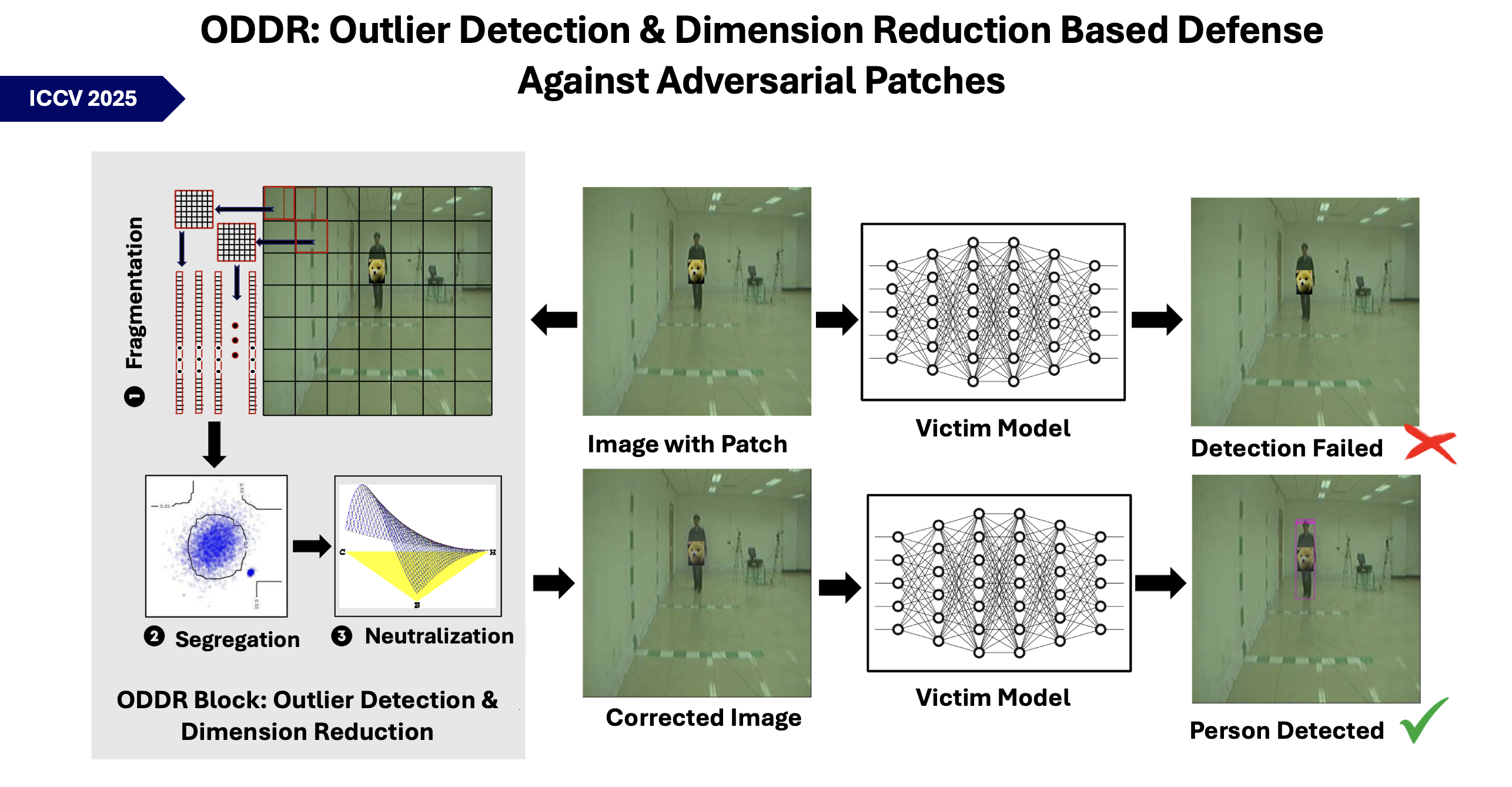
Authors: Nandish Chattopadhyay*, Amira Guesmi*, Muhammad Abdullah Hanif, Bassem Ouni, Muhammad Shafique (* equal contribution)
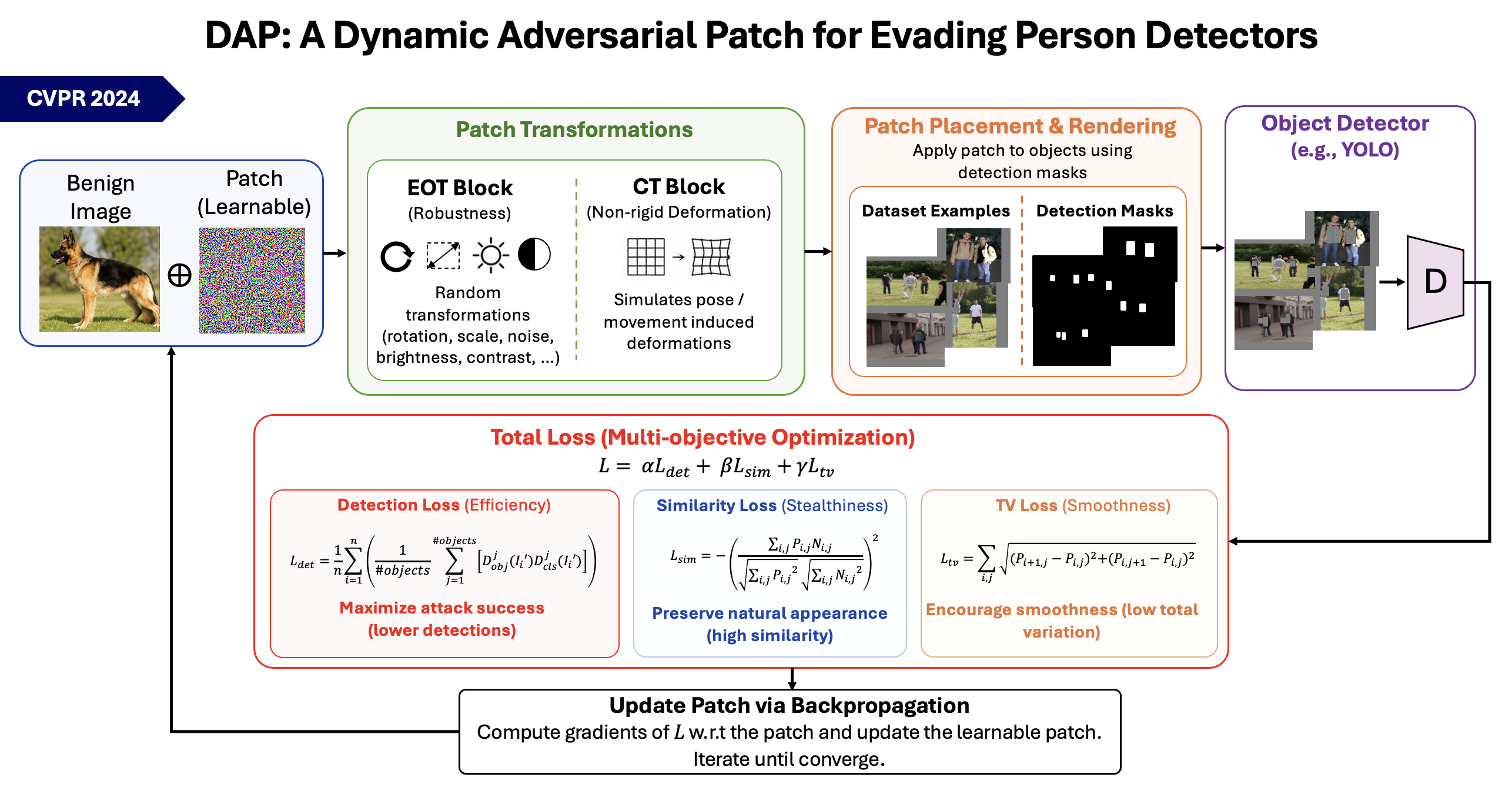
Authors: Amira Guesmi, Ruitian Ding, Muhammad Abdullah Hanif, Ihsen Alouani, Muhammad Shafique
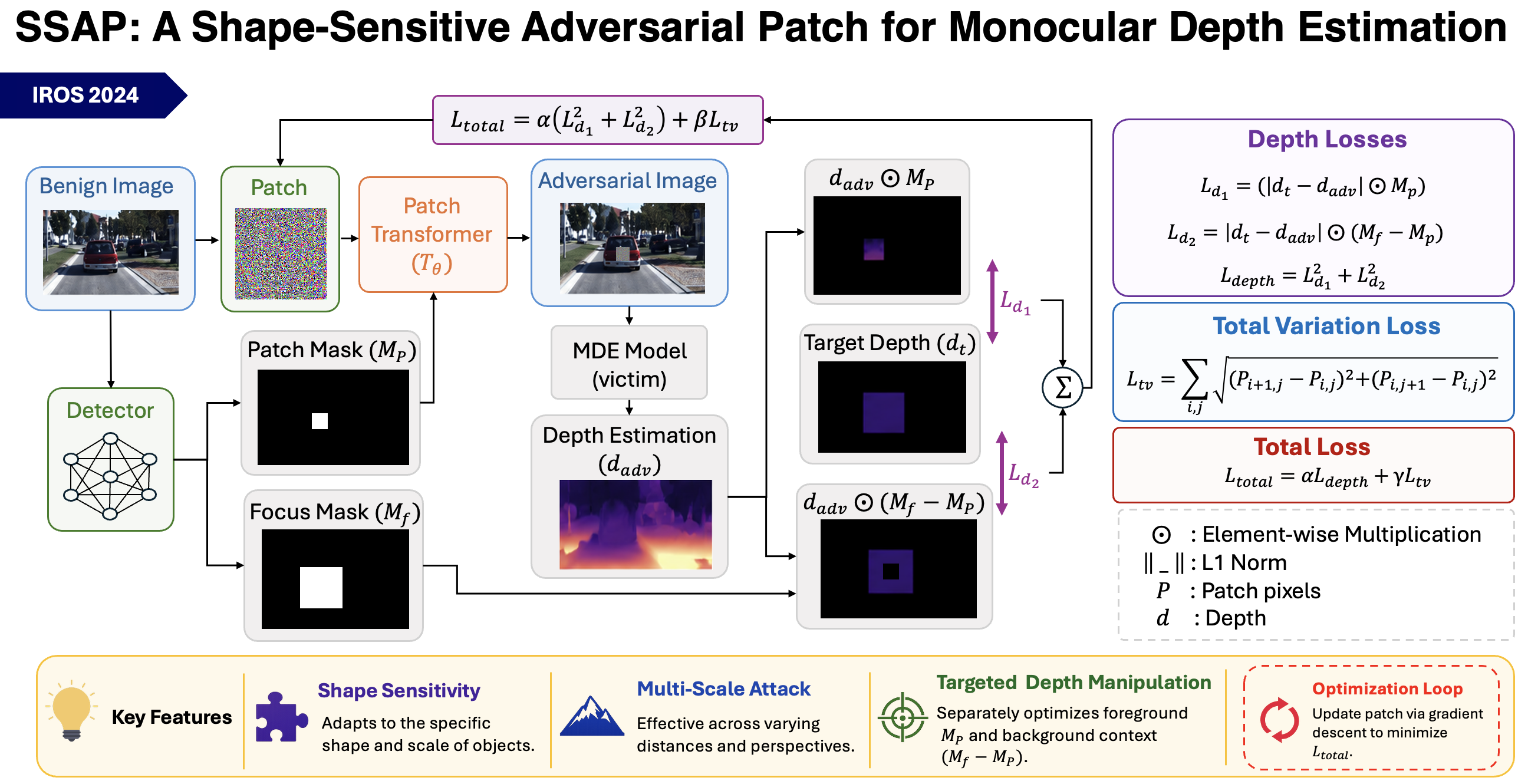
Authors: Amira Guesmi, Muhammad Abdullah Hanif, Ihsen Alouani, Bassem Ouni, Muhammad Shafique
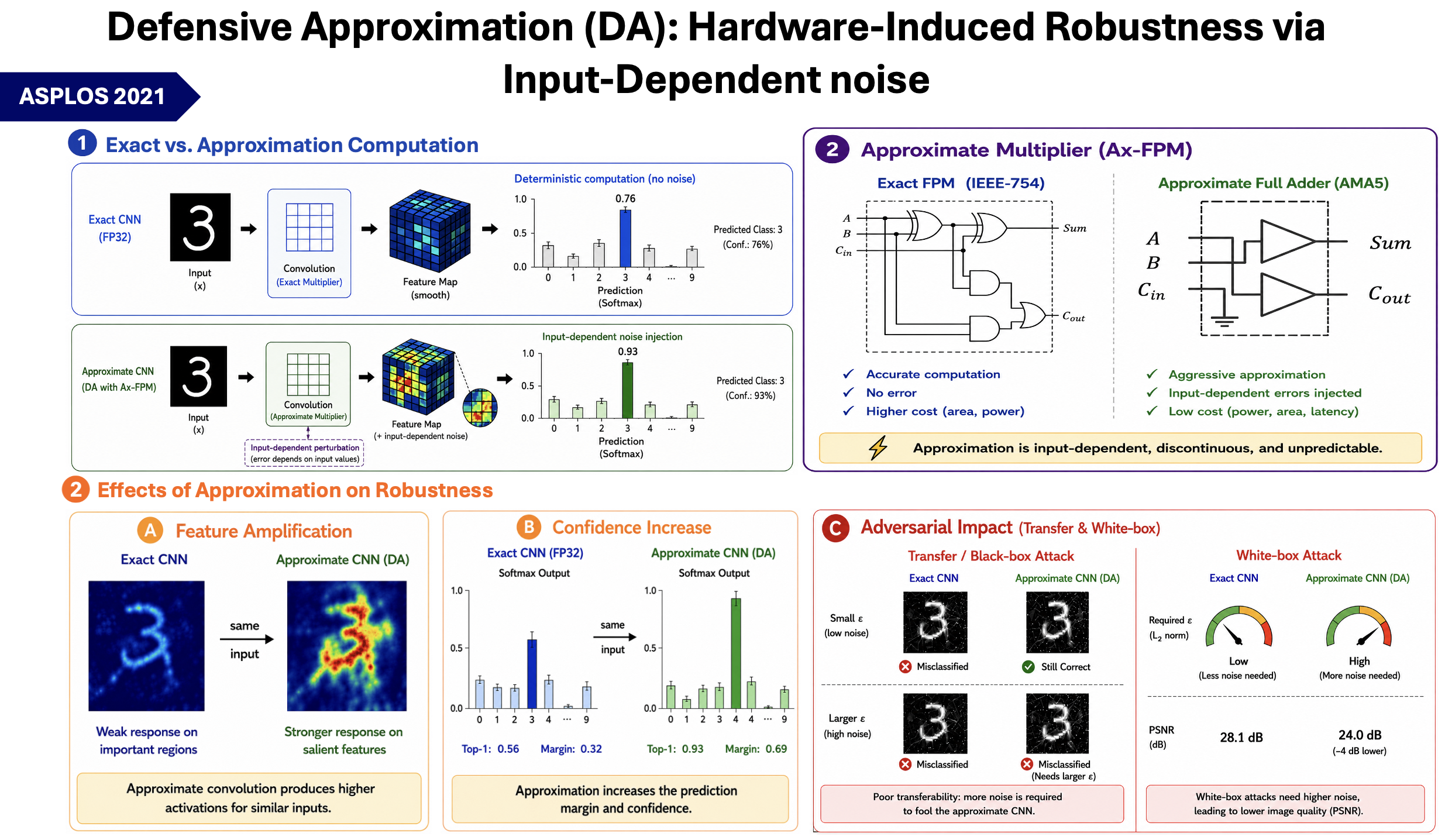
Authors: Amira Guesmi, Ihsen Alouani, Khaled N Khasawneh, Mouna Baklouti, Tarek Frikha, Mohamed Abid, Nael Abu-Ghazaleh
💼 Experience
Sep 2022 – Present: Research Team Lead / Postdoctoral Associate, Engineering Division, New York University Abu Dhabi (NYUAD), UAE
Feb 2022 – Aug 2022: Postdoctoral Researcher, IEMN-DOAE Laboratory, CNRS-8520, Polytechnic University Hauts-de-France, France
📖 Education
Mar 2018 - Oct 2021: Ph.D. in Computer Systems Engineering, National School of Engineers of Sfax (ENIS), Tunisia
Sep 2013 - Jun 2016: Engineer Degree in Computer Science & Electrical Engineering, National School of Engineers of Sfax (ENIS), Tunisia
🏆 Awards & Honors
- Outstanding Reviewer Award, ECCV 2026.
- Silver Reviewer Award, ICML 2026.
- Top Reviewer Award, NeurIPS 2025.
- Best Senior Researcher Award, eBRAIN Lab, NYUAD, 2023.
- Erasmus+ Scholarship, France, 2019.
- DAAD Scholarship: Advanced Technologies based on IoT (ATIoT), Germany, 2018.
- DAAD Scholarship: Young ESEM Program (Embedded Systems for Energy Management), Germany, 2016.
🧑🏫 Academic Service & Community
- Conference Reviewer: ICML, ICLR, NeurIPS, ICCV, CVPR, AAAI, ECCV, DAC, IROS, ICIP, IJCNN
- Journal Reviewer: IEEE TIFS, IEEE TCSVT, TMLR, TMC, IJCV, TCAD, Access
- Organizer & Speaker: Tutorial: ML Security in Autonomous Systems, IROS 2024
📬 Contact & Links
- Email: ag9321@nyu.edu
I am always open to collaborations on AI security, adversarial robustness, and trustworthy ML systems.